Every visit starts
with the right context.
Equipment history, guided decisions and useful next actions. Every visit adds to the bigger picture.
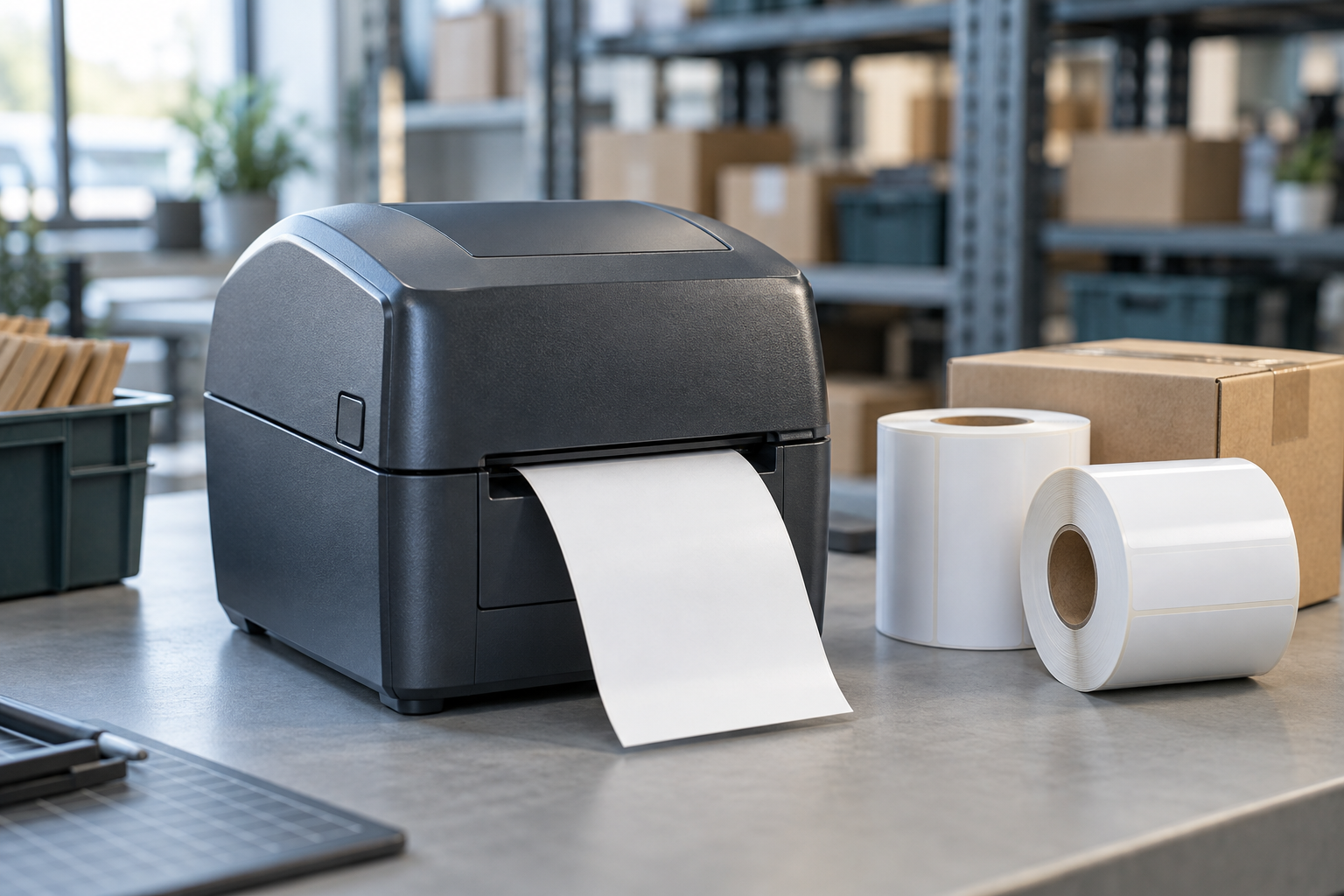
Label printer.
A familiar problem?
The story so far
3 entries / Latest first- 16 SEPT · 14:20 / DISPATCHSame symptom. A new delivery.
Faint output returned after fresh label stock arrived. Dispatch reopened the issue and kept a sample.
Incident 118 · Reported by Nandi - 12 SEPT · 10:45 / THABO MOLEFEStock replaced. Test accepted.
Fitted the approved DT-100 roll. Dispatch checked the sample and resumed printing.
Visit 021 · Stock DT-100 · 1 roll - 02 SEPT / CHRIS NAIDOOAsset record updated to v2.
Approved stock and the sample-print check added to the support guide.
Source · Asset support guide §4
Parts & consumables
Linked to LP-024DT-100 · 100 × 150 mm · Approved stock
6 rolls / Dispatch cupboard A2PH-024 · Support-controlled spare
Equipment support confirms compatibility and need.Stock shown from the example inventory. Recording a visit does not reserve or order parts.
Every service visit starts with what the business already knows.
A technician arrives at a label printer with faint output. Before touching it they see its story: the last visit, the stock that was fitted, the guide that applies, and whether the part they might need is on the shelf. They record what they find against the current guidance, get a suggested next step, and the visit becomes actions, a parts request and a shared service record.
A job card with a one-line fault, a manual somewhere in the van, a phone call to whoever went last time, and notes that never make it back into the asset record.
Each visit starts from the machine’s history and adds to it. Guidance is versioned and attached to the equipment, so a fix learned once is used everywhere. Operations see repeat faults across sites, and a suggested next step stays a suggestion until a person confirms it.
In a real build, the tool sits across the systems you already run. It reads what it needs, and writes what people do back to the system that owns it.
- Reads and writesAsset register, CMMS or ERPEquipment details and service history
- Reads fromInventory systemParts and consumables in stock
- Reads fromKnowledge baseSupport guides for each model
- Writes toJob management systemFindings, work orders and parts requests
The right section of the right guide appears at the step it applies to. The record of each visit becomes the briefing for the next person, so experience stops leaving with the people who have it.
- TechnicianContext before the toolbox opens.
- Support teamFindings recorded against the guide, not in a phone call.
- OperationsRepeat faults and open actions across every site.
This is a working concept: a fictional business, sample data and scripted AI responses, with nothing connected. JuneDay builds the real thing around your own work and systems.